
 January 6, 2026
Will Dubai rents fall in 2026? What tenants and landlords need to know
Dubai’s rental market is expected to enter a more balanced and mature phase in 2026, with rents easing in certain segments as vacancy levels rise and demand patterns evolve. However, prime locations, peak-season rentals, and luxury properties are likely to remain resilient, according to a new market outlook.
A recent report by fäm Properties suggests that logic-driven decision-making will begin to replace momentum-led activity, signalling a shift toward long-term value and sustainability in Dubai’s real estate market.
Market Maturity Brings a Shift in Strategy
Based on insights from DXBInteract, which uses Dubai Land Department–verified data, the report highlights that future growth will favour developments with strong fundamentals. These include proven delivery, quality construction, genuine connectivity, lifestyle clarity, and real scarcity.
Projects driven largely by short-term marketing momentum are expected to face increasing pricing and absorption pressure as buyers and tenants become more selective.
Changing Buyer and Tenant Behaviour
While Dubai’s luxury real estate segment continues to show strong resilience, both investors and end-users are becoming more disciplined. In 2026, decisions are expected to be guided by price-to-value alignment, payment plan sustainability, location strength, construction quality, and developer credibility.
Firas Al Msaddi, CEO of fäm Properties, noted that 2025 was largely momentum-driven, whereas 2026 will mark a turning point, with buyers moving beyond brand-led choices and focusing more closely on long-term usability and execution risk.
For tenants, this shift may translate into greater negotiating power in secondary and mid-market areas, while landlords will need to focus on quality, pricing realism, and tenant experience to maintain occupancy.
Dubai Real Estate Performance in 2025
The report identifies 2025 as a record-breaking year for Dubai’s property market. Between January and November alone, 197,263 transactions were recorded, with a total value of AED 624.1 billion, surpassing previous annual highs even before the year concluded.
This growth was largely driven by momentum-led demand, but end-user activity also strengthened, particularly among families choosing homeownership over renting. This trend contributed to greater stability in established residential communities.
Dubai also continued to attract strong international capital inflows from Europe, the UK, CIS countries, India, Africa, and North America, alongside sustained growth in the commercial real estate sector.
Rental Market Outlook for 2026
Looking ahead, the rental market is expected to show divergent performance across segments:
- Rents may soften in areas with rising supply and higher vacancy
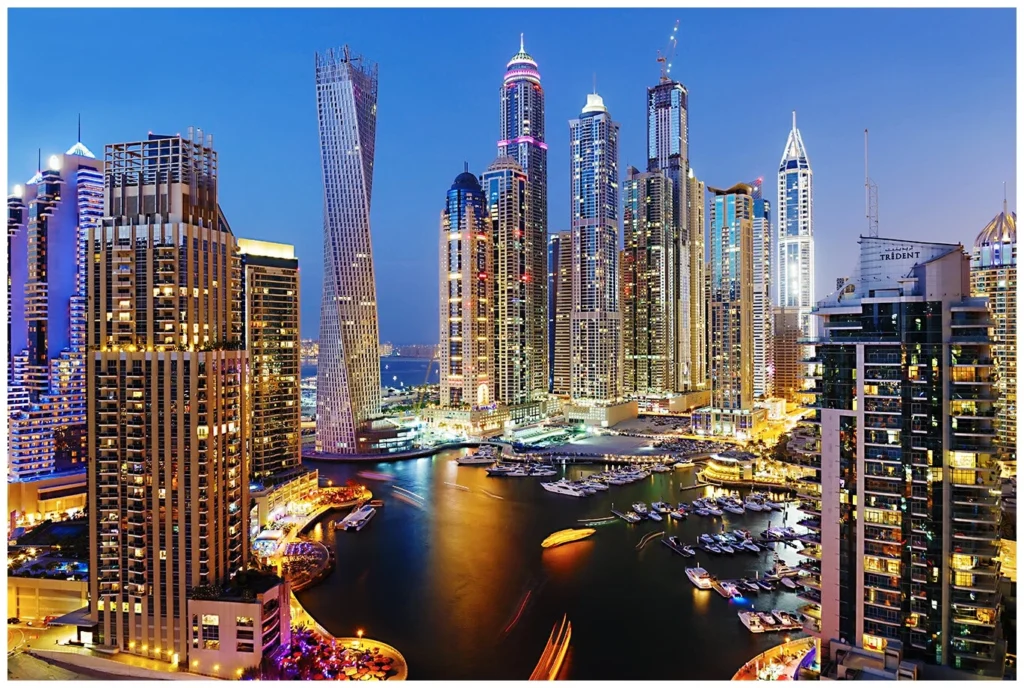
- Prime villas, branded residences, and waterfront homes are expected to retain strong pricing due to limited supply
- Well-connected, lifestyle-focused communities will outperform isolated developments
Tier-1 developers are expected to dominate off-plan demand, while smaller or newer developers may increasingly partner with established brokerages to build confidence and reduce execution risk.
Infrastructure as a Key Value Driver
Infrastructure development will play a decisive role in shaping future demand and rental performance. Communities linked to the upcoming Dubai Metro Blue Line are expected to benefit disproportionately, as connectivity, walkability, and integrated urban planning become central to tenant and investor decision-making.
What This Means for Tenants and Landlords
For tenants, 2026 could bring more choice and moderation in rents in certain locations. For landlords, the focus will shift toward real value creation—well-maintained properties, competitive pricing, and strong connectivity will be key to sustaining yields.
Overall, Dubai’s rental market is not expected to decline broadly, but rather transition into a smarter, more selective phase, where quality, location, and long-term fundamentals matter more than ever.


Leave a Reply